Design Systems for Small Teams: Start Small, Stay Useful
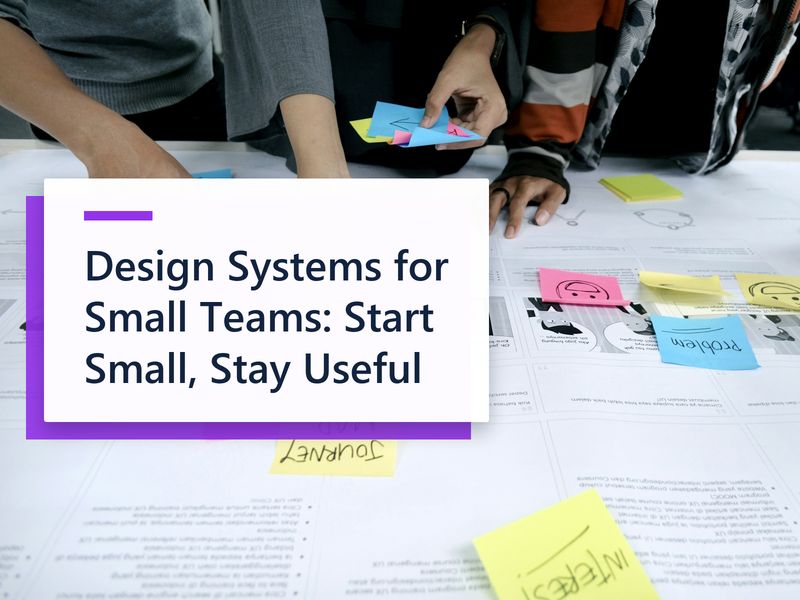
Most small teams either skip a design system or over-build one. The version that works is smaller than you think, starts with tokens rather than components, and grows from real use.
A first long-distance walk goes wrong for predictable reasons: blistered feet, an overloaded pack and inadequate weather planning. All three are solvable before you leave.
Cross-platform frameworks are good enough for most apps now, which makes the choice about team skills, hiring and platform depth rather than raw capability. Here is how to decide.
The romantic version of a road trip involves freedom and open roads. The real version involves a schedule someone made too ambitious in a spreadsheet. Here is how to avoid that.
Choosing accommodation badly is the most reliable way to spoil a good trip. Here is how to read a listing properly, what the score hides, and why location outranks everything.
Flutter's state management debate looks like a choice between libraries. It is really a choice about where state lives. Get that right and the library matters much less.
Most dog training problems are not stubbornness. They are unclear communication, inconsistent rules, or a dog whose needs are not being met. Here is what genuinely works.
Two apps can take the same 900 milliseconds and feel completely different. The difference is what happens during the wait — and that is a design decision.
The reputation cats have for being mysterious mostly reflects how little their signals are taught. Tail position, blinking, and where they choose to sit all mean something specific.
Rescue animals settle in stages, and the quiet first fortnight is not their personality. Knowing the pattern prevents most of the disappointment and most of the returns.
A query that ran in 12 milliseconds on your laptop takes 9 seconds in production. Indexes and query plans explain why — and reading a plan is a skill you can learn in an afternoon.
Energy advice is dominated by small gestures that feel virtuous and change little. Here is where household energy actually goes, and the changes that move the number.
Most CI/CD advice covers tools. The hard part is trust: a pipeline that is slow, flaky or unclear gets routed around, and then it is protecting nothing.
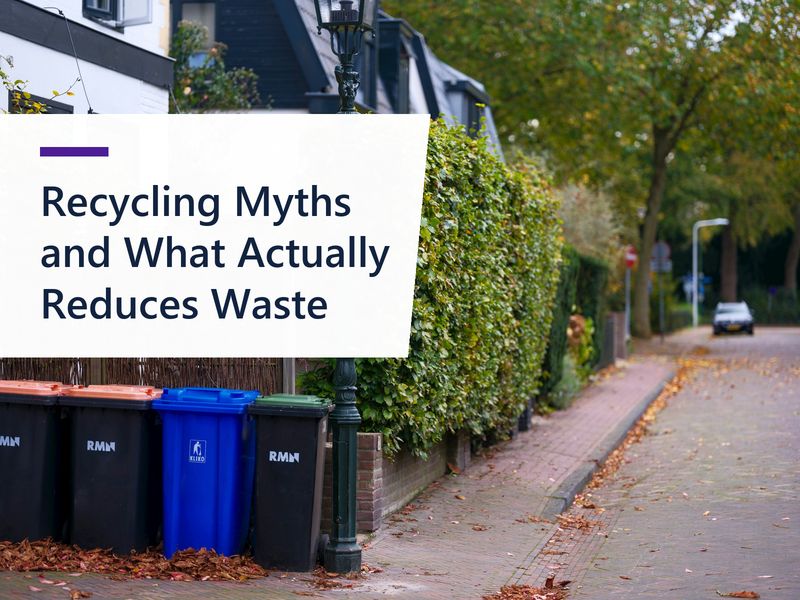
Putting the wrong thing in the recycling can contaminate an entire load. Here is what genuinely helps, what is theatre, and why reduce and reuse come first for a reason.
Most people start and stop with a bird feeder. The gardens that fill with birds get four things right, and only one of them involves food.
Cloud bills rarely grow because of one bad decision. They grow through forgotten resources, oversized defaults and data transfer nobody modelled. Here is where to look, in order.
The range figure gets all the attention and is rarely the deciding factor. Charging access, real-world efficiency and total running costs are what determine whether an EV suits you.
Containers are explained as lightweight virtual machines far too often. They are something different, and understanding what makes their behaviour — good and bad — much clearer.